Medicare vs. Medicaid: Understanding the Difference and What It Means for You
Key Points at a Glance- Medicare vs. Medicaid
- Medicare and Medicaid are two separate government programs.
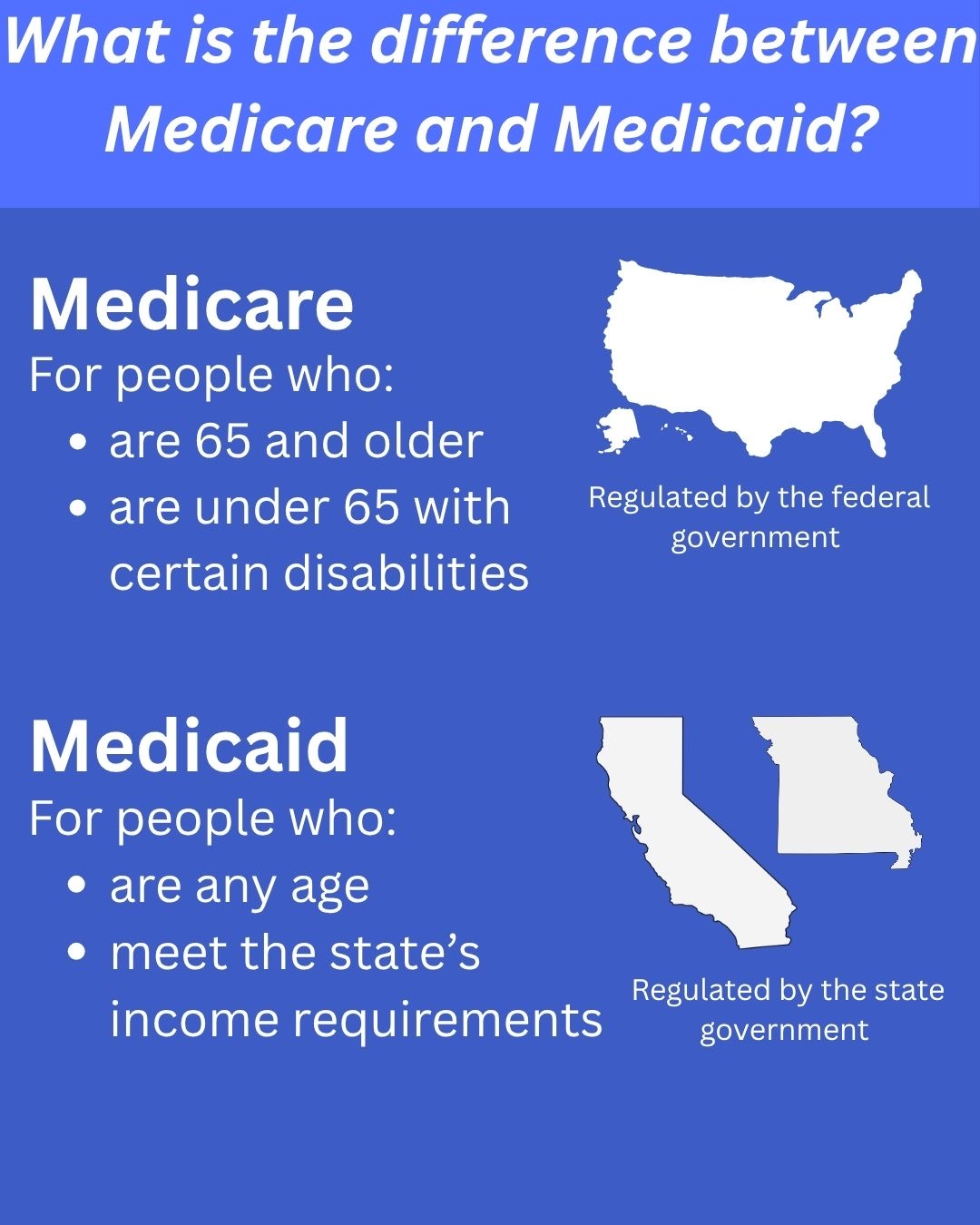
- Medicare is federal health insurance for people 65+ and those with certain disabilities.
• Medicaid is state-administered, income-based, and open to people of any age
If you’ve mixed up Medicare and Medicaid ever, you’re not alone. With similar names and overlapping goals, these two programs are among the most confused in the entire American healthcare system. At Craig Smith Insurance Group, we help clients across Queens, Long Island, the Bronx, Westchester, and New Jersey navigate both programs every day, and we’re here to clear things up.
The core difference: Medicare is a federal health insurance program for people 65 and older and those with qualifying disabilities. Medicaid is a state-run program for people of any age with low incomes.
What Is Medicare?
Medicare is a national health insurance program established and administered by the federal government. It operates under the same rules in every state, which means your benefits don’t change based on where you live.
Medicare Eligibility Requirements
Most people become eligible for Medicare when they turn 65. If you have a sufficient work history, generally 40 quarters of employment during which FICA (Federal Insurance Contributions Act) taxes were withheld, you will qualify for premium-free Medicare Part A hospital coverage.
You may be eligible for Medicare before age 65 if you:
- Receive Social Security disability benefits
- Have been diagnosed with End-Stage Renal Disease (ESRD)
- Have been diagnosed with ALS (Lou Gehrig’s disease)
Importantly, there are no income requirements for Medicare. Any U.S. citizen or lawful permanent resident who meets the age and work history criteria qualifies, regardless of financial situation.
What Does Medicare Cost?
Medicare is not free. Here is a quick breakdown of how costs work:
- Part A (hospital insurance): Most people qualify for premium-free Part A. If you don’t have enough work history, you’ll pay a monthly premium.
- Part B (medical insurance): The federal government sets the standard Part B premium each year. Roughly 95% of enrollees pay this standard amount. Higher-income beneficiaries may pay an Income-Related Monthly Adjustment Amount (IRMAA) surcharge on top of the standard premium.
- Questions about your specific Part B premium? Call our office, and we’ll help you understand your costs before you enroll.
The Four Parts of Medicare
Medicare is divided into four distinct parts, each covering different types of care:
Part A — Hospital Insurance
Covers inpatient hospital stays, skilled nursing facility care, hospice, and some home health services.
Part B — Medical Insurance
Covers outpatient care, doctor visits, preventive services, lab work, and durable medical equipment. Part B has a monthly premium.
Part C — Medicare Advantage
Offered by private insurance companies approved by Medicare, Part C plans bundle Part A and Part B benefits — and often Part D — into a single plan. Plans vary by carrier and region. We help clients in Queens, Long Island, the Bronx, Westchester, and New Jersey compare Advantage plans from all major Medicare Advantage carriers every year.
Part D — Prescription Drug Coverage
Standalone Part D plans are offered by private insurers and help cover the cost of prescription medications. Enrolling on time is critical to avoid a lifetime late-enrollment penalty.
Without additional coverage, Original Medicare (Parts A and B) has no out-of-pocket maximum, which means your costs are potentially unlimited. Many beneficiaries choose to add a Medicare Supplement (Medigap) plan or enroll in Medicare Advantage to cap their expenses. We can walk you through both options.
What Is Medicaid?
Medicaid is a joint federal-state program designed to provide healthcare coverage to low-income individuals and families. While the federal government sets minimum standards and provides a significant share of the funding, each state administers its own Medicaid program with its own rules.
Unlike Medicare, Medicaid also covers a much broader population: children, pregnant women, adults, seniors, and people with disabilities. In fact, historically, a large share of Medicaid dollars has been directed toward children and families.
Medicaid Eligibility Requirements
All 50 states currently participate in Medicaid. Eligibility is based on a combination of factors that vary by state, including:
- Income level (as a percentage of the Federal Poverty Level)
- Household size
- Age
- Disability status
- Pregnancy
- Role in the household (parent, caretaker, etc.)
If you’re a New York resident, the New York Medicaid program, often referred to as NY Medicaid, has some of the most generous eligibility thresholds in the country. Contact our office if you’d like a referral to the appropriate state agency
What Does Medicaid Cost?
Because Medicaid is designed for people with limited financial resources, there are generally no monthly premiums at the federal level. However, states do have some flexibility, and a small number of states may charge modest premiums or cost-sharing amounts. Copays for services are typically very low or nonexistent.
What Does Medicaid Cover?
Medicaid covers a broad range of healthcare services. At a minimum, federally required services include:
- Inpatient and outpatient hospital services
- Nursing home care
- Home healthcare services
- Doctor’s visits
- Care in rural health clinics and federally qualified health centers
- Lab tests and X-rays
- Family planning services
- Certified pediatric and family nurse practitioner care
- Transportation to and from medical appointments
- Early and periodic screening, diagnostic, and treatment (EPSDT) services for children
- Tobacco cessation counseling for pregnant women
States may also offer optional services such as:
- Prescription drug coverage
- Physical and occupational therapy
- Dental, vision, and hearing care
One significant benefit that Medicaid offers and Medicare does not is long-term custodial care coverage, such as extended nursing home stays. This is an important planning consideration for seniors.
Medicare vs. Medicaid: A Side-by-Side Comparison
Here’s a quick reference chart to help you see the key differences at a glance:
| Medicare | Medicaid | |
| Administered by | Federal government | State governments (with federal funding) |
| Who qualifies? | Age 65+ or qualifying disability | Low-income individuals of any age |
| Income requirements? | No | Yes |
| Monthly premiums? | Yes (Part A often free; Part B has a standard premium) | Usually, none, though some states charge small premiums |
| Covers | Hospital, medical, prescription drugs, and more, through 4 parts | Hospital, doctor visits, long-term care, vision, dental, and more |
| Can you have both? | Yes, called dual eligibility | Yes, called dual eligibility |
Can You Have Both Medicare and Medicaid?
Yes, and this situation is more common than you might think. When someone qualifies for both programs simultaneously, they are referred to as “dual eligible.”

How Dual Eligibility Works
Dual-eligible individuals receive benefits through coordination between Medicare and Medicaid. The Centers for Medicare and Medicaid Services (CMS) has a dedicated office focused on streamlining this coordination to reduce confusion for beneficiaries.
There are different tiers of dual eligibility based on income. The highest level is the Qualified Medicare Beneficiary (QMB) program, which covers Medicare premiums, deductibles, and cost-sharing often at little to no out-of-pocket cost to the enrollee.
Special Needs Plans for Dual-Eligible Beneficiaries
If you are dual-eligible and want a Medicare Advantage plan, you should specifically look for a Dual Eligible Special Needs Plan (D-SNP). These plans are built for people enrolled in both programs and coordinate benefits between the two.
As a licensed Medicare broker serving the NYS and other states, Craig Smith Insurance Group can help you identify D-SNP plans available in your county and compare them side by side. Call us at (917) 740-1895 or visit csmithinsurancegroup.com to get started.
How to Enroll in Medicare and Medicaid
Enrolling in Medicare
If you are approaching age 65 or have a qualifying disability, you can enroll in Medicare through the Social Security Administration. Your Initial Enrollment Period (IEP) opens three months before your 65th birthday, includes your birthday month, and extends three months after a seven-month window in total.
Missing your IEP can result in lifetime late-enrollment penalties on your Part B and Part D premiums. If you have questions about timing, enrollment periods, or special enrollment rights, we’re here to help.
Enrolling in Medicaid
Medicaid enrollment is handled at the state level. If you are under 65 years old in New York, you can apply through the NY State of Health marketplace or through your local Department of Social Services. Income documentation will be required.
If you’re already on Medicare and believe you may qualify for Medicaid, contact your state’s Department of Health and Human Services or call us. We can point you in the right direction.
Frequently Asked Questions: Medicare vs. Medicaid
Is Medicaid better than Medicare?
They are two different programs designed for different populations. Neither is “better” in an absolute sense. Medicaid covers services Medicare does not (like long-term custodial care), while Medicare is available regardless of income. The right program for you depends on your age, health, and financial situation.
At what age do you qualify for Medicaid?
There is no minimum age for Medicaid. Eligibility is based primarily on income and household circumstances, not age. Newborns and children can qualify, as can working-age adults, pregnant women, and seniors.
Do I have to repay Medicaid benefits?
This is an important question for seniors. If Medicaid pays for long-term care such as nursing home stays, the state may attempt to recover those costs from your estate after you pass away through a process called Medicaid estate recovery. Your primary residence is typically protected while you’re alive, but it may be subject to recovery afterward. Medicaid planning with an elder law attorney can help protect your assets.
How do I know if I have Medicare or Medicaid?
To check your Medicare status, contact the Social Security Administration at 1-800-772-1213. To check your Medicaid status, contact your state’s Department of Health and Human Services.
What is the difference between Medicare and Medicaid in simple terms?
Medicare is federal health insurance for older Americans and people with disabilities. Medicaid is a state-run safety net for people with low incomes, regardless of age.

Summary: Know Your Coverage Options
Medicare and Medicaid serve very different groups, but both play a vital role in the American healthcare system. Understanding which program applies to you or whether you may qualify for both is an important step in protecting your health and your finances.
At Craig Smith Insurance Group, we specialize in Medicare planning for individuals and families in Queens, Long Island, the Bronx, Westchester, and New Jersey. Whether you’re approaching 65, already enrolled, or helping a loved one navigate their options, we’re ready to assist.

Craig Smith
Independent Medicare Insurance Broker | AHIP Certified
Craig Smith is the founder of Craig Smith Insurance Group, an independent Medicare brokerage serving seniors across New York, New Jersey, and nationwide since 2013. With over 25 years of financial services experience and 317+ five-star Google reviews, Craig helps clients compare Medicare Advantage, Medicare Supplement, and Part D plans — always free of charge.
Learn more about Craig →