
Does Your Medicare Advantage Plan Cover Transportation?
Most people know Medicare Advantage plans offer extra benefits like dental, vision, and hearing coverage. However, one benefit that often flies under the radar and can make a real difference in daily life is transportation. In fact, if you or a loved one relies on Medicare Advantage, understanding this benefit could change how you access care entirely. So, here’s everything you need to know about getting where you need to go.
What Is Medicare Advantage and Why Does It Matter?
Medicare Advantage (Part C) is an all-in-one alternative to Original Medicare, offered through private insurance companies approved by CMS. Not only must these plans cover everything Original Medicare covers, Part A (hospital) and Part B (medical), but they frequently go further by bundling in extra benefits that Original Medicare simply doesn’t provide. As a result, many beneficiaries find Medicare Advantage to be a more comprehensive and cost-effective choice.
Extra Benefits That Set Medicare Advantage Apart
Depending on the plan and carrier, Medicare Advantage members may have access to a wide range of supplemental benefits. For example, many plans include:
- Dental, vision, and hearing coverage
- Prescription drug coverage (Part D)
- Fitness and wellness programs (like SilverSneakers)
- Over-the-counter (OTC) allowances
- Transportation to medical appointments — and sometimes beyond
Above all, that last benefit is what we’re focusing on today because it’s one that too many beneficiaries overlook entirely.
Medicare Advantage Transportation Benefits: An Overview
To begin with, it’s important to understand that Original Medicare does not cover routine transportation to medical appointments. Recognizing this gap, many Medicare Advantage plans have stepped in to fill it. As a result, transportation benefits are now designed to eliminate one of the most common barriers to healthcare: simply getting there.
🚗 Missed appointments are one of the leading causes of poor health outcomes among seniors. Consequently, transportation benefits help ensure you never have to skip care because you couldn’t get a ride.
What Counts as a Covered Trip?
Transportation coverage varies by plan. Nevertheless, commonly covered trips include rides to doctors’ offices, specialist visits, dialysis centers, physical therapy, labs, imaging, and pharmacies. Furthermore, some plans go even further and cover trips to wellness programs, community centers, or even grocery stores for health-essential shopping.
Types of Transportation Services Available
Non-Emergency Medical Transportation (NEMT)
First and foremost, NEMT is the most common type of transportation covered under Medicare Advantage. Specifically, it provides rides to and from scheduled medical appointments not emergencies, since those are covered separately. In addition, vehicles range from standard cars and vans to wheelchair-accessible transport, depending on the member’s individual needs.
Non-Medical Transportation (NMT)
Beyond medical appointments, some plans take it a step further with NMT rides to pharmacies, grocery stores for health-related shopping, or community wellness programs. In other words, this benefit supports independence and overall well-being, not just clinical care. For many seniors, this distinction makes a meaningful difference in their quality of life.
Ride-Sharing Partnerships
In addition to traditional transportation options, a growing number of Medicare Advantage plans have partnered with ride-sharing services like Uber Health and Lyft Healthcare to provide on-demand transportation. As a result, these services offer greater flexibility and convenience, especially for members who need same-day or last-minute rides. Moreover, for tech-comfortable seniors, these apps make scheduling a ride faster and easier than ever.
Who Qualifies for Transportation Benefits?
Eligibility ultimately depends on your specific Medicare Advantage plan, since there are no universal rules; each carrier sets its own criteria. That said, here are the most common requirements you’ll encounter:
- You must be enrolled in a Medicare Advantage plan that includes transportation benefits
- The trip must be for a covered medical purpose (in most cases)
- Some plans require a physician referral or prior authorization
- Trip limits may apply (e.g., a set number of one-way rides per year)
A Common Misconception Worth Clearing Up
Many people assume transportation benefits are only for those with severe disabilities or emergencies. In reality, however, that’s not the case at all. If your plan includes transportation, you’re generally entitled to use it for routine covered appointments regardless of whether your condition is considered serious. Therefore, don’t leave this benefit on the table simply because you think you don’t qualify.
How to Access Your Transportation Benefits
Step 1: Review Your Plan Documents
First, start with your plan’s Summary of Benefits or Evidence of Coverage (EOC). These documents outline exactly what transportation services are covered, any restrictions, and the process for scheduling rides. As a result, reviewing them upfront saves you time and prevents surprises down the road.
Step 2: Contact Your Plan’s Transportation Line
Next, most plans have a dedicated transportation coordinator or member services line. Once you call, be sure to confirm your eligibility and find out if you need any advance notice or documentation. In many cases, scheduling is straightforward and can be done with a single phone call.
Step 3: Get a Referral If Required
Finally, if your plan requires physician authorization, talk to your primary care doctor ahead of time. They can then provide the necessary documentation confirming that transportation is medically appropriate for your situation. By handling this step early, you’ll avoid delays when you actually need a ride.
What Does Transportation Coverage Cost You?
The good news is that many Medicare Advantage plans include transportation benefits at no additional cost beyond your regular plan premium. However, some plans may charge a small copay per trip or cap the number of covered rides per year. For that reason, here’s what to watch for:
- Copays: Some plans charge $0–$5 per trip; others cover it fully
- Annual trip limits: Plans may cover 20–48 one-way trips per year
- Service area restrictions: Rides may be limited to a certain mileage radius from your home
In summary, always review your plan’s cost-sharing details carefully — both before assuming the benefit is free and before assuming it isn’t.
Real-Life Scenarios: When Transportation Benefits Make a Difference
The Dialysis Patient
Consider a Medicare Advantage member who requires dialysis three times a week. Without transportation benefits, arranging consistent, safe rides to treatment quickly becomes a full-time burden. Fortunately, NEMT coverage takes that stress away — ensuring they never miss a session and, as a result, maintaining their health and quality of life.
The Rural Beneficiary
Similarly, for seniors in areas with limited public transit — like parts of Long Island or upstate New York — getting to a specialist can mean traveling 30–60 miles. In these situations, transportation benefits eliminate both the financial and physical burden of that commute, making it possible to access care that would otherwise feel out of reach.
The Independent Senior Who No Longer Drives
Many seniors give up driving as they age, yet still want to manage their own healthcare and daily errands. In that case, NMT benefits covering trips to the pharmacy or grocery store — help maintain that independence without relying on family members or paid caregivers. Ultimately, this benefit is about more than just getting to appointments; it’s about preserving dignity and self-sufficiency.
How to Compare Transportation Benefits When Choosing a Plan
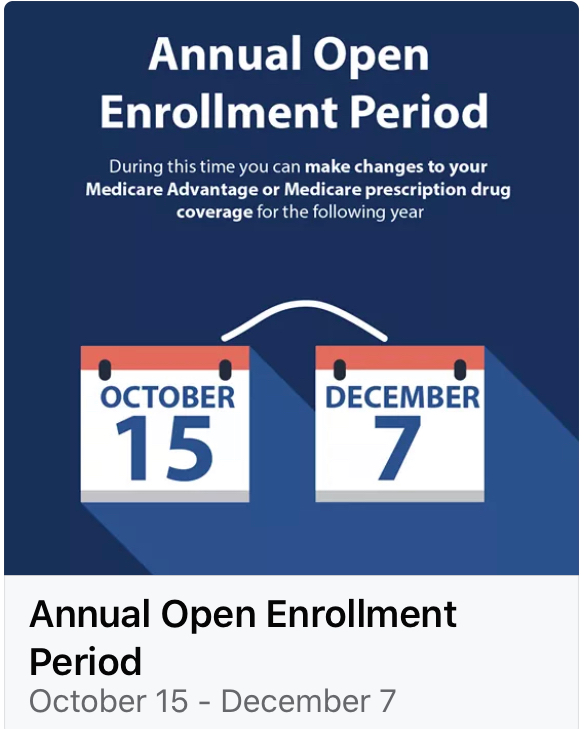
Not all Medicare Advantage plans offer the same level of transportation coverage. Therefore, when comparing plans during Open Enrollment or the Annual Enrollment Period (AEP), it’s essential to ask the right questions. Specifically, consider the following:
- Does this plan include transportation benefits at all?
- Does it cover NEMT only, or also NMT (non-medical trips)?
- How many one-way trips are covered per year?
- Is there a copay per trip?
- Are ride-sharing options like Uber Health or Lyft available?
- What is the service area or mileage limit?
💡 Pro Tip: A plan with a slightly higher premium that includes robust transportation benefits may actually save you more money and stress than a low-premium plan with no transportation coverage. For that reason, a licensed Medicare broker can help you run those numbers before you commit.
Not Sure If Your Plan Covers Transportation? Let’s Find Out Together.
At Craig Smith Insurance Group, we help Medicare beneficiaries across New York, New Jersey, and nationwide understand every benefit available to them, including transportation. Furthermore, we compare plans from all major carriers so you can make a confident, informed decision without feeling overwhelmed by the options.
Whether you’re new to Medicare Advantage or simply wondering if your current plan is giving you everything you deserve, we’re here to help. Best of all, our services are always at no cost to you.
📞 Call us at (917) 740-1895 or email craigsmith@csmedicare.net. No pressure, just straightforward answers from an agent who’s been serving Medicare clients since 2013.
Craig Smith Insurance Group — Licensed in NY, & Nationwide | Medicare Advantage • Medicare Supplement • Life Insurance • Annuities

Craig Smith
Independent Medicare Insurance Broker | AHIP Certified
Craig Smith is the founder of Craig Smith Insurance Group, an independent Medicare brokerage serving seniors across New York, New Jersey, and nationwide since 2013. With over 25 years of financial services experience and 317+ five-star Google reviews, Craig helps clients compare Medicare Advantage, Medicare Supplement, and Part D plans — always free of charge.
Learn more about Craig →