Medicare Advantage Plans With Part B Give Back: How to Keep More Money in Your Pocket
What Is the Medicare Part B Give Back Benefit?
If you’re enrolled in Medicare and looking for ways to reduce your monthly healthcare costs, you may have heard of the Medicare Advantage Part B Give Back benefit. It sounds almost too good to be true, but it’s a legitimate feature offered by select Medicare Advantage (Part C) plans that can reduce or even eliminate your monthly Part B premium. Some Medicare Advantage Plans with a Part B Give Back are designed to help beneficiaries save money by reimbursing part or all of their Part B premium.
In 2026, the standard Medicare Part B premium is $202.90 per month. For retirees on a fixed income, that’s a meaningful expense. Fortunately, the Part B Give Back benefit, officially called the Part B Premium Reduction benefit, allows certain Medicare Advantage plans to pay back a portion of that premium directly to your Social Security check or monthly benefit.
Throughout this guide, we’ll explain exactly how it works, who qualifies, what to watch out for, and how to find the right plan, whether you’re in Queens, Long Island, Westchester, the Bronx, or New Jersey.
How Does the Medicare Advantage Part B Give Back Work?
The Basics
Medicare Advantage plans come from private insurance companies that Medicare has approved to deliver your benefits. Each month, the federal government pays these plans a fixed capitation amount for every enrolled beneficiary. When an insurer determines it can deliver coverage for less than that government payment, it has the option to pass those savings back to members, and the Part B Give Back is one of the most popular ways insurers do exactly that.
Here’s how the money flows:
- Medicare pays your Advantage plan a set monthly capitation amount.
- The plan uses that money to cover your Medicare-approved healthcare services.
- If there’s a surplus, the insurer can return part of it to members as a premium reduction.
- Your Part B premium is reduced — and you see it reflected in your Social Security payment or direct Medicare billing.
How Much Can You Get Back?
The give-back amount varies by plan and geographic area. Depending on where you live, plans can return anywhere from $1 up to the full $185/month Part B premium. In fact, certain plans in some areas offer a $100 or more per month giveback that’s over $1,200 per year in savings.
Key Point: The give back is applied directly to your Medicare Part B premium. You don’t receive a check — instead, your Social Security deduction is reduced by the give back amount.
Who Qualifies for the Part B Give Back Benefit?
Basic Eligibility Requirements
To be eligible for a Medicare Advantage plan with a Part B Give Back benefit, you must:
- Be enrolled in both Medicare Part A and Part B
- Live in the plan’s service area (these plans are not available everywhere)
- Not be enrolled in a Medicare Savings Program (MSP) that already covers your Part B premium
Who Does NOT Qualify?
If you already participate in one of the following Medicare Savings Programs, you typically cannot receive the give back benefit because the program already covers your Part B premium:
- Qualified Medicare Beneficiary (QMB) program
- Specified Low-Income Medicare Beneficiary (SLMB) program
- Qualifying Individual (QI) program
Part B Give Back vs. Medicare Supplement Plans
One of the most common questions I hear from clients is: “Is a plan with a give-back better than a Medicare Supplement (Medigap) plan?” The answer depends on your health, finances, and priorities.
Medicare Advantage with Give Back Benefit
- ✅ Lower or no monthly premium (after give back)
- ✅ May include dental, vision, hearing, and extra benefits
- ✅ All-in-one coverage (medical + Rx often combined)
- ⚠️ Requires using in-network providers in most cases
- ⚠️ Prior authorization may be required for some services
- ⚠️ Copays and cost-sharing apply at the time of service
Medicare Supplement (Medigap) Plans
- ✅ Freedom to see any doctor who accepts Medicare nationwide
- ✅ Predictable costs — little to no out-of-pocket at point of service
- ✅ No network restrictions
- ⚠️ Higher monthly premium
- ⚠️ No extra benefits like dental or vision (typically)
Bottom line: A give-back plan can be an excellent choice for relatively healthy beneficiaries who want to minimize monthly costs. However, for those managing chronic conditions or heavy specialist needs, a Medigap plan often delivers better long-term value — even with the higher premium.
Pros and Cons of Medicare Advantage Part B Give Back Plans
Advantages
Lower Monthly Costs
Reducing or eliminating your Part B premium can free up hundreds of dollars each year a meaningful difference on a fixed income.
Extra Benefits Often Included
Beyond the premium savings, many give back plans bundle additional coverage such as dental exams and cleanings, vision exams and eyewear allowances, hearing aids, over-the-counter (OTC) benefit allowances, transportation to medical appointments, and fitness memberships like SilverSneakers.
Prescription Drug Coverage (Part D) Often Built In
As an added convenience, most give-back plans are Medicare Advantage Prescription Drug (MAPD) plans, meaning your drug coverage integrates directly, so you don’t need a separate Part D plan.
Disadvantages
Network Limitations
Most Medicare Advantage plans operate through HMO or PPO networks. With an HMO specifically, you must generally use in-network providers, which can create friction if your current doctors don’t participate in the plan’s network.
Cost Sharing at the Point of Service
Unlike Medigap, you’ll typically pay copays each time you visit a doctor, see a specialist, or use urgent care. As a result, for members with frequent medical needs, those costs can add up significantly over the course of a year.
Plan Changes Annually
Each fall, Medicare Advantage plans can adjust their benefits, premiums, and provider networks for the coming year. Therefore, your give-back amount could decrease, or the plan could discontinue the benefit entirely, when January 1 arrives.
Geographic Availability
Give back plans simply aren’t available in every market. Nevertheless, urban and suburban areas like the NYC metro tend to have strong give-back options compared to more rural regions.
How to Find Medicare Advantage Plans With a Part B Give Back
Step 1: Use Medicare’s Plan Finder Tool
Start at medicare.gov/plan-compare and filter your search by zip code. Look for plans that list a “Part B Premium Reduction” or “Give Back” benefit in the plan details.
Step 2: Work With a Licensed Medicare Broker
A licensed, independent Medicare broker like Craig Smith Insurance Group searches plans across multiple carriers — including Aetna, Anthem, Humana, HealthFirst, and UnitedHealthcare at no cost to you. Because we represent multiple companies, our recommendations reflect your individual situation, not a quota.
Step 3: Compare Total Value, Not Just the Give Back Amount
Beyond the give-back figure, make sure to evaluate: Are your current doctors in-network? Do your medications appear on the formulary? What are the copays for specialists and hospitals? How low is the Maximum Out-of-Pocket (MOOP)? And what CMS Star Rating does the plan carry?
When Can You Enroll?
| Enrollment Period | Dates | Who Can Enroll |
|---|---|---|
| Initial Enrollment Period (IEP) | 3 months before to 3 months after your 65th birthday | New to Medicare |
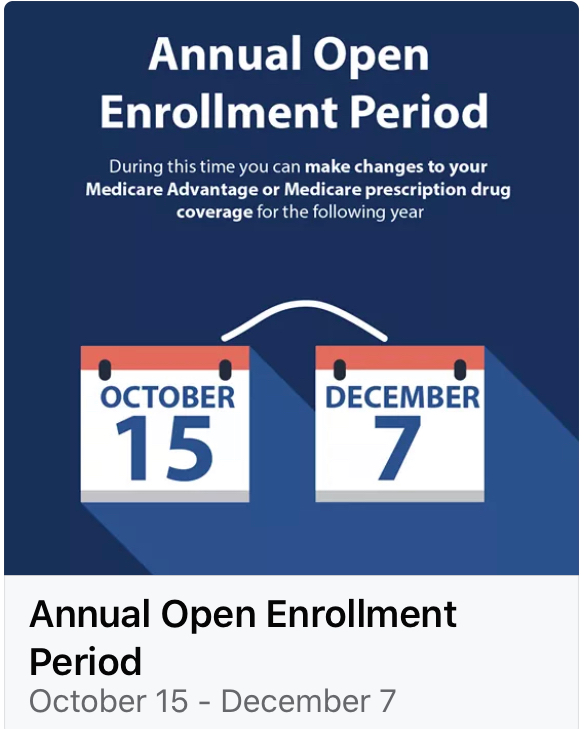
| Annual Enrollment Period (AEP) | October 15 – December 7 | Anyone on Medicare |
| MA Open Enrollment | January 1 – March 31 | Currently on an MA plan |
| Special Enrollment Period (SEP) | Varies by qualifying event | Loss of coverage, move, etc. |
Frequently Asked Questions
Plans and benefits vary by location and are subject to change. Craig Smith Insurance Group is a licensed Medicare insurance broker.
Extra help with prescription drug costs
Learn more about Medicare Advantage from Medicare.gov

Craig Smith
Independent Medicare Insurance Broker | AHIP Certified
Craig Smith is the founder of Craig Smith Insurance Group, an independent Medicare brokerage serving seniors across New York, New Jersey, and nationwide since 2013. With over 25 years of financial services experience and 317+ five-star Google reviews, Craig helps clients compare Medicare Advantage, Medicare Supplement, and Part D plans — always free of charge.
Learn more about Craig →