What Medicare Agents Really Earn
If you’ve ever wondered how Medicare agents are compensated or whether their advice is truly in your best interest, you’re not alone. Understanding how agents earn their income can actually help you become a smarter, more confident Medicare consumer. In this post, we pull back the curtain on Medicare policy commissions, what drives agent earnings, and what it means for the people they serve.
Why Medicare Matters And Why Agents Are Essential
Medicare, established in 1965, is a federal health insurance program serving over 65 million Americans — primarily those 65 and older, along with younger individuals with qualifying disabilities. It’s divided into four key parts:
- Part A — Hospital and inpatient care
- Part B — Outpatient care and preventive services
- Part C (Medicare Advantage) — Bundled plans through private insurers
- Part D — Prescription drug coverage
Navigating these options alone can be overwhelming. That’s where a licensed, knowledgeable Medicare agent becomes invaluable, comparing plans, explaining benefits, managing enrollment, and serving as your advocate when issues arise.
More Than a Salesperson Your Long-Term Medicare Advocate
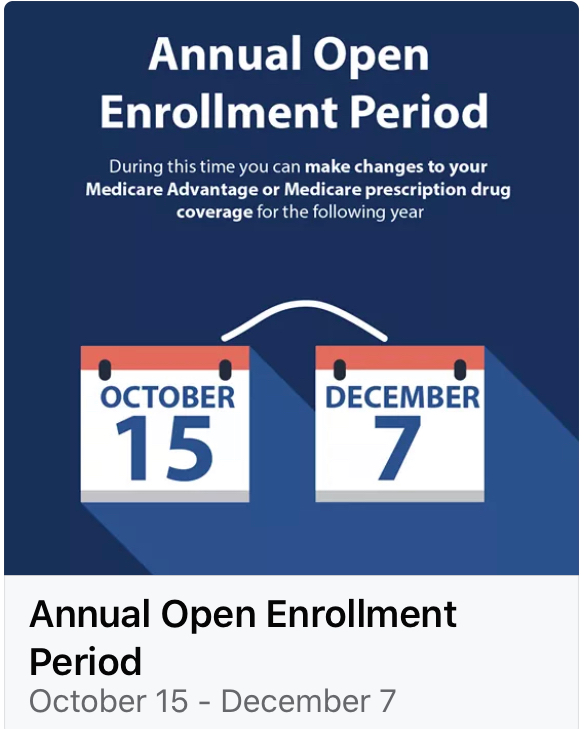
A good Medicare agent doesn’t disappear after enrollment. They help resolve billing disputes, alert you to plan changes during the Annual Enrollment Period (AEP), and ensure your coverage continues to meet your needs year after year. That ongoing relationship is exactly why the commission structure is designed the way it is.
How Medicare Agent Commissions Work
Medicare agents are compensated through a two-part commission structure set by CMS (Centers for Medicare & Medicaid Services) and paid by insurance carriers, never directly by you, the beneficiary.
Initial Commissions: The New Enrollment Payment
When an agent successfully enrolls a client in a Medicare plan, they receive a one-time initial commission from the insurance company. This payment compensates the agent for the time spent educating the client, comparing plan options, and completing the enrollment process. Amounts vary by plan type:
- Medicare Advantage (Part C): $300 – $600+ per enrollment
- Part D Prescription Drug Plans: $100 – $300 per enrollment
- Medigap / Medicare Supplement: $150 – $300 per policy
Residual Commissions: The Ongoing Renewal Income
As long as a client remains enrolled in their plan, the agent continues to earn a monthly residual (renewal) commission, typically 5% to 20% of the initial commission amount. For example, a $500 initial commission on a Medicare Advantage plan may generate $25 – $100 per month in residuals for as long as that client stays enrolled.
💡 This structure is by design: it aligns the agent’s financial interest with your long-term satisfaction. Happy, well-served clients stay enrolled — and that’s how agents build a sustainable income.
What Determines a Medicare Agent’s Earnings?
No two Medicare agents earn the same. Several key variables shape their monthly income:
Plan Type Focus
Agents who specialize in Medicare Advantage plans typically earn higher commissions than those focused primarily on Medigap policies. However, savvy agents diversify across plan types to serve a broader range of client needs and stabilize their income.
Geographic Location
Agents in high-density senior markets — like the NYC metro area, South Florida, and the Southwest may have greater enrollment opportunities. Markets like Queens, Long Island, and Westchester in New York, for instance, have substantial Medicare-eligible populations that create strong demand for agent services.
Experience and Reputation
Experienced agents with established client bases benefit from compounding residuals even without writing a single new policy in a month; their book of business generates income. Strong reputations also drive referrals, which are among the most cost-effective ways to grow.
Average Monthly Earnings: What the Numbers Look Like
Industry data suggests that Medicare agents typically earn between $3,000 and $6,000 per month when combining initial commissions and residuals. Here’s how the trajectory generally looks:
New Agents (Building Phase)
Agents in their first 1–2 years tend to earn on the lower end of the scale. The focus is on building a client base, earning certifications, and establishing carrier relationships. Even at this stage, each new enrollment adds to a growing residual income stream.
Established Agents (Growth Phase)
As client books grow, residual commissions begin to compound. An agent with 200 Medicare Advantage clients, for example, could be earning $5,000–$10,000/month in renewals alone — before writing a single new policy.
Top Performers (Mature Book of Business)
High-producing agents with large client bases, referral networks, and multi-carrier appointments can earn well above the average range. These agents often supplement their Medicare income with life insurance, annuity, and long-term care sales as well.
How Medicare Agents Maximize Their Earning Potential
Stay Current with Certifications and Plan Changes
CMS requires annual certification for agents selling Medicare Advantage and Part D plans. Agents who complete this early and stay sharp on plan details are better positioned to advise clients and close enrollments during AEP and OEP.
Prioritize Client Retention
Residual commissions only flow if clients stay enrolled. Proactive check-ins, plan reviews at AEP, and responsive service are the best tools an agent has to protect their renewal income. A client who feels cared for doesn’t leave.
Diversify Across Plan Types
Offering Medicare Advantage, Medigap, and Part D plans gives agents flexibility to match clients to the right coverage and maximizes opportunities to earn across different commission tiers.
Leverage Digital Marketing and Social Media
Agents who invest in a strong online presence, Google Business Profile, Facebook, Instagram, and a content-rich website consistently outpace peers who rely solely on traditional methods. Educational content builds trust, and trust drives enrollments.
Challenges That Can Impact Medicare Agent Income
The Medicare market isn’t without its headwinds. Agents must navigate:
- Regulatory complexity: Medicare rules change annually, requiring constant education and re-certification.
- Market competition: Agents compete with each other, with direct carrier marketing, and with online platforms that offer plan comparisons.
- Client attrition: Plan cancellations and switches to other agents reduce residual income. Retention is everything.
- Policy and commission changes: CMS can adjust commission caps, which directly impact agent income across the board.
The Future of Medicare Agent Commissions: Trends to Watch
Value-Based Care and Quality Metrics
As Medicare evolves toward value-based care models, commission structures may shift to reward agents who help clients achieve better health outcomes and cost efficiency, not just enrollment volume.
Technology and Digital Tools
CRM platforms, AI-powered plan comparison tools, and telehealth integrations are reshaping how agents serve clients. Those who adopt technology early gain efficiency advantages, allowing them to serve more clients without sacrificing quality.
Demographic Tailwinds
With 10,000 Baby Boomers turning 65 every day, the Medicare-eligible population will continue growing for years. This is an extraordinary long-term opportunity for agents who build the right infrastructure now.
Work With a Medicare Agent Who Puts You First
At Craig Smith Insurance Group, we’ve been helping clients across New York, New Jersey, and nationwide navigate Medicare since 2013. Our compensation comes from the carriers, never from you, and our ongoing residual model means we have every incentive to keep you in the right plan for the long haul.
📞 Ready to find the Medicare plan that’s right for you? Call us today at (917) 740-1895 or email craigsmith@csmedicare.net. There’s no cost to you and no pressure, ever.
Craig Smith Insurance Group — Licensed in NY, NJ & Nationwide | Medicare Advantage • Medicare Supplement • Life Insurance • Annuities
Find the best Medicare Agency in New York City

Craig Smith
Independent Medicare Insurance Broker | AHIP Certified
Craig Smith is the founder of Craig Smith Insurance Group, an independent Medicare brokerage serving seniors across New York, New Jersey, and nationwide since 2013. With over 25 years of financial services experience and 317+ five-star Google reviews, Craig helps clients compare Medicare Advantage, Medicare Supplement, and Part D plans — always free of charge.
Learn more about Craig →