
Medicare Part A vs Part B 2026 — What’s the Difference?
If you are approaching Medicare eligibility, you have probably heard the terms Part A and Part B used frequently. However, many people are confused about what each part actually covers and how they work together. At Craig Smith Insurance Group, we help seniors across Queens, Long Island, the Bronx, Westchester, and New Jersey understand Medicare every day. Therefore, in this guide, we will break down exactly what Medicare Part A and Part B cover, what they cost, and how they differ so you can make the most informed decision about your healthcare coverage.
What Is Original Medicare?
First, it is important to understand that Medicare Part A and Part B together make up what is called Original Medicare. Furthermore, Original Medicare is administered directly by the federal government and provides the foundation of Medicare coverage for millions of Americans aged 65 and older. While both parts work together to provide comprehensive coverage, they cover very different types of healthcare services.
What Is Medicare Part A?
Medicare Part A is often referred to as hospital insurance. Specifically, Part A covers inpatient care and services that require an overnight stay in a healthcare facility. As a result, Part A is most valuable when you need significant medical care that requires hospitalization.
What Does Medicare Part A Cover?
Medicare Part A covers the following services:
- Inpatient hospital stays — covers your room, meals, nursing services, and necessary medical supplies during a hospital admission
- Skilled nursing facility care — covers short-term skilled nursing care following a qualifying hospital stay of at least three days
- Hospice care — covers comfort care for those with a terminal illness and a life expectancy of six months or less
- Home health care — covers medically necessary skilled nursing care and therapy services provided at home
- Inpatient mental health care — covers psychiatric hospital stays and inpatient mental health treatment
How Much Does Medicare Part A Cost in 2026?
One of the most important things to know about Part A is that most people receive it at no cost. Specifically, if you or your spouse paid Medicare taxes for at least 40 quarters, which equals 10 years of work, you qualify for premium-free Part A. However, even with premium-free Part A, there are still significant cost-sharing amounts to be aware of:
| Part A Cost | 2026 Amount |
|---|---|
| Monthly Premium (most people) | $0 |
| Inpatient Deductible (per benefit period) | $1,736 |
| Hospital Days 1-60 | $0 coinsurance |
| Hospital Days 61-90 | $434/day |
| Lifetime Reserve Days (91+) | $868/day |
| Skilled Nursing Days 1-20 | $0 coinsurance |
| Skilled Nursing Days 21-100 | $194.50/day |
As you can see, while Part A has no premium for most people, the costs can add up quickly if you require extended hospitalization. Consequently, many beneficiaries choose to add a Medicare Supplement plan to help cover these out-of-pocket costs.
What Is Medicare Part B?
Medicare Part B, on the other hand, is known as medical insurance. In contrast to Part A, Part B covers outpatient care, meaning the services you receive without being admitted to a hospital overnight. Therefore, Part B tends to be used much more frequently than Part A in day-to-day healthcare.
What Does Medicare Part B Cover?
Medicare Part B covers a wide range of outpatient services, including:
- Doctor visits — covers visits to your primary care physician and specialists
- Preventive services — covers annual wellness visits, screenings, and vaccinations at no cost to you
- Outpatient procedures — covers surgeries and procedures that do not require an overnight hospital stay
- Lab tests and X-rays — covers diagnostic tests ordered by your doctor
- Durable medical equipment — covers wheelchairs, walkers, oxygen equipment, and other medically necessary equipment
- Mental health services — covers outpatient therapy and counseling
- Ambulance services — covers medically necessary ambulance transportation
- Telehealth services — covers qualifying virtual visits with your doctor
How Much Does Medicare Part B Cost in 2026?
Unlike Part A, Medicare Part B requires a monthly premium for all enrollees. Furthermore, higher-income beneficiaries pay an additional surcharge called IRMAA on top of the standard premium. Here is a breakdown of Part B costs in 2026:
| Part B Cost | 2026 Amount |
|---|---|
| Standard Monthly Premium | $202.90 |
| Annual Deductible | $283 |
| Coinsurance After Deductible | 20% of the approved amount |
| Out-of-Pocket Maximum | None (unlimited) |
It is worth noting that the 20% coinsurance with no out-of-pocket maximum is one of the biggest financial risks in Original Medicare. As a result, a serious illness or injury could potentially cost you tens of thousands of dollars in coinsurance alone. Therefore, most Medicare beneficiaries choose to add additional coverage to protect themselves from these unlimited costs.
Medicare Part A vs Part B — Side-by-Side Comparison
To summarize the key differences between Medicare Part A and Part B, here is a quick side-by-side comparison:
| Feature | Medicare Part A | Medicare Part B |
|---|---|---|
| Also Known As | Hospital Insurance | Medical Insurance |
| What It Covers | Inpatient hospital, skilled nursing, hospice, home health | Doctor visits, outpatient care, preventive services, DME |
| Monthly Premium | $0 for most people | $202.90 standard |
| Deductible | $1,736 per benefit period | $283 per year |
| Coinsurance | $0 for days 1-60 | 20% after deductible |
| Out-of-Pocket Max | None | None |
| How Often Used | Less frequently | Very frequently |
Do You Need Both Medicare Part A and Part B?
In most cases, yes — you need both Part A and Part B to have comprehensive Original Medicare coverage. Since Part A covers inpatient care and Part B covers outpatient care, having only one part would leave significant gaps in your coverage. Moreover, most Medicare Supplement plans and Medicare Advantage plans require you to be enrolled in both Part A and Part B.
However, there are some situations where you might delay Part B enrollment. Specifically, if you are still working and covered by a qualifying employer health plan, you may be able to delay Part B without penalty. Nevertheless, it is critical to understand the rules before delaying; you could face a permanent late enrollment penalty.
What Is Not Covered by Medicare Part A and Part B?
While Original Medicare provides broad coverage, there are several important services that neither Part A nor Part B covers. As a result, many beneficiaries are surprised to discover these gaps:
- Prescription drugs — not covered by Part A or Part B (requires Part D)
- Routine dental care — cleanings, fillings, and dentures are not covered
- Routine vision care — eye exams and eyeglasses are not covered
- Hearing aids — not covered by Original Medicare
- Long-term custodial care — extended nursing home stays are not covered
- Care outside the United States — generally not covered
Because of these coverage gaps, most Medicare beneficiaries choose to add either a Medicare Supplement plan or enroll in a Medicare Advantage plan to fill these gaps and limit their out-of-pocket expenses.
How to Fill the Gaps in Medicare Part A and Part B
Fortunately, there are two main ways to supplement your Original Medicare coverage:
Option 1 — Medicare Supplement (Medigap) Plans
Medicare Supplement plans, also called Medigap plans, work alongside Original Medicare to cover your cost-sharing amounts, such as deductibles, coinsurance, and copayments. For example, Medicare Supplement Plan G covers all of the gaps in Original Medicare except for the Part B deductible. As a result, Plan G is currently the most popular Medigap plan for New York seniors.
Additionally, New York residents have a significant advantage. New York is a guaranteed issue state, which means insurance carriers cannot deny you a Medigap plan or charge you more based on your health history at any time of year.
Option 2 — Medicare Advantage Plans
Alternatively, Medicare Advantage plans (Medicare Part C) are offered by private insurance companies and bundle Part A and Part B benefits into a single plan. Furthermore, most Medicare Advantage plans also include Part D prescription drug coverage, and many offer additional benefits such as dental, vision, and hearing coverage. However, Medicare Advantage plans typically require you to use a network of providers.
When to Enroll in Medicare Part A and Part B
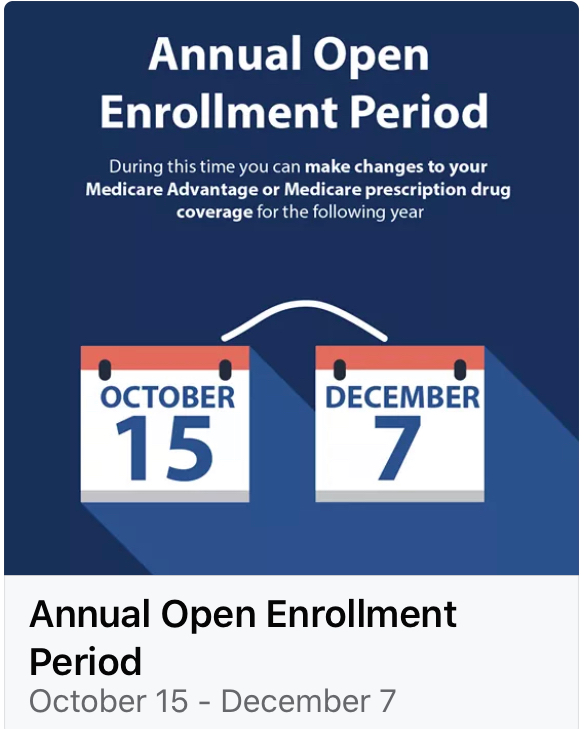
Timing your Medicare enrollment correctly is critical to avoiding costly late enrollment penalties. Generally, your Initial Enrollment Period (IEP) begins three months before your 65th birthday month and ends three months after a total of seven months. Therefore, it is important to enroll during this window to avoid penalties.
If you miss your IEP without having qualifying employer coverage, you may face permanent late enrollment penalties on both your Part B premium and Part D coverage. Consequently, these penalties follow you for the rest of your life and increase each year as premiums rise.
Frequently Asked Questions About Medicare Part A vs Part B
Is Medicare Part A or Part B more important?
Both parts are equally important because they cover different types of care. Part A covers inpatient hospital stays, while Part B covers outpatient services like doctor visits. Together, they provide the foundation of your Medicare coverage.
Can I have Part A without Part B?
Yes, technically, you can have Part A without Part B. However, doing so would leave you without coverage for doctor visits and outpatient care. Most people enroll in both parts simultaneously during their Initial Enrollment Period.
Do I pay for both Part A and Part B?
Most people receive Part A at no cost if they have sufficient work history. Part B, on the other hand, always requires a monthly premium of $202.90 per month in 2026 for most beneficiaries.
What is the difference between Medicare Part A and Part B deductibles?
The Part A deductible is $1,736 per benefit period in 2026 and applies to inpatient hospital stays. In contrast, the Part B deductible is $283 per year and applies to outpatient services. Importantly, the Part A deductible can apply multiple times per year if you have multiple hospital stays.
Talk to a Local Medicare Expert Today
Understanding the difference between Medicare Part A and Part B is just the first step in navigating the Medicare system. Moreover, choosing the right additional coverage to fill the gaps in Original Medicare is equally important. At Craig Smith Insurance Group, we specialize in helping seniors across Queens, Long Island, the Bronx, Westchester, Rockland County, and New Jersey find the right Medicare coverage for their individual needs.
As an independent Medicare broker, I compare all available Medicare Supplement and Medicare Advantage plans at no cost to you. Furthermore, I verify your doctors accept your chosen plan before you enroll — so you never face surprises. You will always speak directly with Craig, never a call center.
📞 Call (917) 740-1895
✉️ craigsmith@csmedicare.net
🌐 csmithinsurancegroup.com
🕐 Monday–Friday 9 AM–8 PM | Saturday 10 AM–1 PM
We are not connected with or endorsed by the United States Government or the federal Medicare program. We do not offer every plan available in your area. Please contact Medicare.gov or 1-800-MEDICARE for information on all your options.

Craig Smith
Independent Medicare Insurance Broker | AHIP Certified
Craig Smith is the founder of Craig Smith Insurance Group, an independent Medicare brokerage serving seniors across New York, New Jersey, and nationwide since 2013. With over 25 years of financial services experience and 317+ five-star Google reviews, Craig helps clients compare Medicare Advantage, Medicare Supplement, and Part D plans — always free of charge.
Learn more about Craig →