
Medicare Part D Subsidy Ending: What It Means for Your 2027 Premiums
The Trump administration has announced it will end a federal subsidy program that has helped keep Medicare Part D premiums stable over the past two years. The change takes effect after the 2026 plan year. As a result, it could mean higher prescription drug plan costs for millions of Medicare beneficiaries starting in 2027.
Here’s what’s actually changing, who it affects, and what you can do about it.
What Is the Part D Premium Stabilization Program?
The Part D Premium Stabilization Demonstration is a federal program that has provided billions of dollars in subsidies to insurance companies offering standalone Medicare Part D prescription drug plans. The goal was to prevent sharp, sudden premium increases. Insurers were adjusting to changes brought on by the 2022 Inflation Reduction Act. That Act capped out-of-pocket drug costs for beneficiaries. However, it shifted more financial risk onto plan sponsors.
According to a Government Accountability Office report, the program has funneled an estimated $9.8 billion into the market since it began. It sent $6.2 billion in 2025 and $3.6 billion in 2026. Meanwhile, the Medicare Payment Advisory Commission estimates the subsidies reduced the average Part D premium by about 40% in 2025. They estimate a 27% reduction in 2026.
Why Is the Program Ending?
CMS Administrator Dr. Mehmet Oz announced the change on social media, stating that insurers no longer need the extra support to price their plans accurately. According to administration officials, the subsidies had the unintended effect of encouraging insurers to set higher premiums. In fact, insurers did this knowing the government would help offset the cost.
Officials also noted that more than half of the subsidy dollars would have gone to a single company, UnitedHealth Group, had the program continued into 2027. A UnitedHealth spokesperson said the company remains committed to working with CMS to keep prescription medicines affordable for seniors.
How Much Will Premiums Actually Go Up?
The impact will vary significantly depending on your specific plan. According to a Trump administration official, here is how the roughly 25 million Americans enrolled in standalone Part D plans will be affected in 2027. This is an estimate based on available data.
| Impact | Share of Enrollees |
|---|---|
| Premium stays flat or decreases | About 25% |
| Premium increases by less than $10/month | About 30% |
| Premium increases by $11 to $20/month | About 45% |
The average Part D premium was around $36 a month in 2026, according to KFF, a nonpartisan health policy research organization. The national base beneficiary premium for 2027 has been set at $41.33. However, actual premiums vary widely by plan and carrier. Under the Inflation Reduction Act, annual increases to the base premium are capped at 6% through 2029.
Officials have noted that seniors facing an increase may still be able to find a lower-cost plan by shopping around during the Annual Enrollment Period, since affordable options are expected to remain available even without the subsidy.
Why Are Part D Costs Rising in the First Place?
The subsidy program was always meant to be temporary. The underlying cost pressures on Part D plans are coming from a few different directions:
- Rising costs for specialty medications, including GLP-1 drugs, which have become significantly more expensive for insurers to cover
- Changes under the Inflation Reduction Act, which lowered out-of-pocket costs for beneficiaries but shifted more of the financial burden onto insurers
- A shrinking number of plan options, with the number of standalone Part D plans offered nationally dropping by roughly half over the past two years, as insurers have pulled back from the market
According to Juliette Cubanski, a vice president at KFF, these cost pressures are expected to continue into 2027 regardless of the subsidy’s end.
What This Means If You Have a Standalone Part D Plan
If you’re enrolled in a standalone Part D prescription drug plan, this is worth paying close attention to during this year’s Annual Enrollment Period. A few things to keep in mind:
- You’ll see your actual 2027 premium and plan details in the fall, when new plan information is released
- Even if your premium goes up, it doesn’t necessarily mean your current plan is still your best option. Comparing plans every year matters more than ever as premiums shift
- Rising standalone Part D premiums may make Medicare Advantage plans, which often bundle drug coverage at no additional premium, more attractive for some beneficiaries. That said, MA plans come with their own tradeoffs, including network restrictions, that are worth weighing carefully
For a full breakdown of what Part D actually costs, including deductibles and the out-of-pocket cap, see our Medicare Part D Costs guide. Additionally, if you’re weighing whether Medicare Advantage might make more sense for your prescription needs, our Medicare Advantage vs. Medicare Supplement guide breaks down that decision in detail.
Get Help Reviewing Your Options This AEP
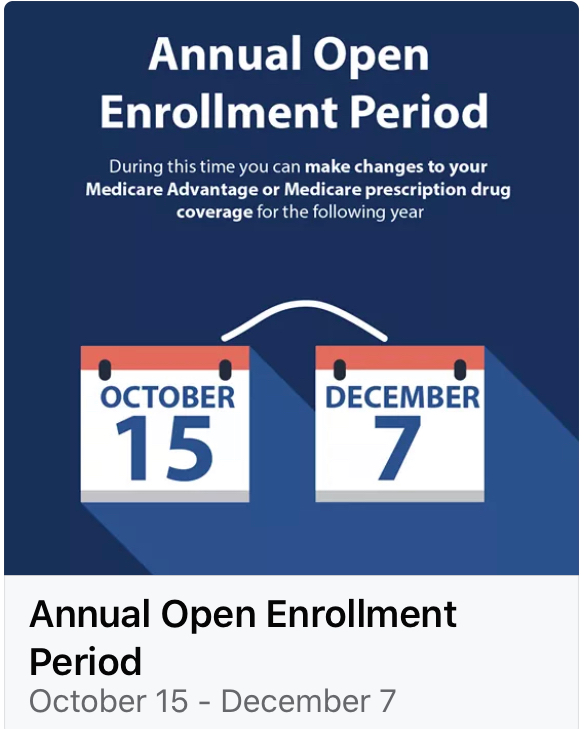
Medicare’s Annual Enrollment Period runs from October 15 through December 7, and this year it matters more than usual for anyone on a standalone Part D plan. As an independent Medicare broker, I compare plans across all major carriers at no cost to you. Therefore, if your premium is going up, I can help you find out whether a better option is available.
Schedule your free consultation today, or call me directly at 917-740-1895.
We are not connected with or endorsed by the United States Government or the federal Medicare program. We do not offer every plan available in your area. Any information we provide is limited to those plans we do offer in your area. Please contact Medicare.gov or 1-800-MEDICARE to get information on all of your options.

Craig Smith
Independent Medicare Insurance Broker | AHIP Certified
Craig Smith is the founder of Craig Smith Insurance Group, an independent Medicare brokerage serving seniors across New York, New Jersey, and nationwide since 2013. With over 25 years of financial services experience and 317+ five-star Google reviews, Craig helps clients compare Medicare Advantage, Medicare Supplement, and Part D plans — always free of charge.
Learn more about Craig →