
Disadvantages of Medicare Advantage Plans
Medicare Advantage plans get a lot of attention for what they offer: $0 premiums, extra benefits, and all-in-one coverage. What gets less attention are the disadvantages. And some of them are significant enough that they can genuinely affect your health, your wallet, and your options down the road.
As an independent Medicare broker, I work with clients every day who are weighing their Medicare options. My job isn’t to push you toward any particular plan; it’s to make sure you understand exactly what you’re signing up for before you sign. That includes the disadvantages.
Here’s an honest look at the real drawbacks of Medicare Advantage plans.
1. Network Restrictions Limit Your Choice of Doctors
This is the most significant disadvantage for most people. The majority of Medicare Advantage plans, particularly HMO plans, require you to use a specific network of doctors, hospitals, and specialists. If your preferred provider isn’t in the network, you’ll either pay substantially more out of pocket or need to find a new doctor.
What makes this especially challenging is that networks change every year. A physician who is in-network today may not be next January. Hospital systems negotiate and renegotiate contracts with insurance carriers constantly. I’ve worked with clients who were blindsided mid-year when their longtime doctor left a plan’s network, leaving them to choose between paying out-of-network costs or finding a new provider at a difficult time.
Before enrolling in any Medicare Advantage plan, always verify that your specific doctors and preferred hospital are in-network and understand that this could change in future years.
2. Prior Authorization Can Delay or Deny Care
Medicare Advantage plans have the right to require prior authorization before approving certain procedures, specialist referrals, or treatments. This means the insurance company must review and approve the service before you receive it.
For routine care, this usually isn’t an issue. But for people with serious or complex health conditions, prior authorization requirements can create real delays in getting needed care and, in some cases, requests are denied entirely. When that happens, you have the right to appeal, but the process takes time and energy that many people simply don’t have when they’re dealing with a health crisis.
Original Medicare does not require prior authorization for most services. That’s a meaningful difference that often gets overlooked when people are comparing their options.
3. Out-of-Pocket Costs Can Add Up Quickly
The $0 premium on many Medicare Advantage plans is real – but it tells only part of the cost story. Every time you use the plan, you pay copays and coinsurance. A primary care visit might cost $10 to $40. A specialist visit could run $40 to $80 or more. Hospital stays come with daily copays that can add up significantly over a long admission.
For people who are generally healthy and rarely use their coverage, these costs may be minimal. But for people with chronic conditions who see multiple specialists, undergo regular testing, or have hospital stays, the cumulative copays can easily exceed what they would have paid in premiums for a Medicare Supplement plan.
The out-of-pocket maximum – up to $9,250 in 2026 does provide a ceiling. But reaching that ceiling means you’ve already spent a significant amount out of pocket in that calendar year.
4. Plans Change Every Year
Medicare Advantage plans are not set-it-and-forget-it coverage. Every year during the Annual Enrollment Period, carriers can change their premiums, copays, networks, drug formularies, and extra benefits. A plan that was excellent for you this year may look very different next January.
This means you need to actively review your coverage every single year, not just when you first enroll. Many people don’t realize this, and they end up staying on a plan that has quietly become less favorable over the years. Premiums have crept up, their doctor dropped off the network, or a medication they depend on moved to a higher cost tier.
Working with an independent broker who monitors these changes on your behalf each AEP is one of the best ways to protect yourself from this problem.
5. Returning to Original Medicare Can Be Difficult
This is the disadvantage I emphasize most strongly with clients because it has the longest-lasting consequences.
If you enroll in Medicare Advantage and later decide you want to switch back to Original Medicare with a Medicare Supplement (Medigap) plan, you may face medical underwriting in most states. That means a Medigap insurer can review your health history and charge you higher premiums – or deny you coverage altogether – based on pre-existing conditions.
In other words, the longer you stay on Medicare Advantage, the more health conditions you may develop, and the harder it may become to get Medigap coverage at standard rates later. For some people, switching back becomes effectively impossible at an affordable price.
This isn’t a reason to automatically avoid Medicare Advantage. But it is a reason to think carefully about your long-term health outlook before enrolling – especially if you’re relatively young and healthy at 65.
6. Coverage Gaps When You Travel
Most Medicare Advantage HMO plans only cover out-of-network care in genuine emergencies. If you travel frequently, spend part of the year in another state, or have family in different parts of the country, this can be a significant limitation.
PPO plans offer more flexibility, but they still come with higher out-of-pocket costs for out-of-network services. Original Medicare with a Medigap supplement, by contrast, is accepted by any provider in the country who accepts Medicare – with no network restrictions whatsoever.
7. Extra Benefits Aren’t Always as Valuable as They Look
Dental, vision, hearing, fitness memberships, over-the-counter allowances these extras are a genuine selling point for Medicare Advantage plans. But it’s worth looking carefully at what’s actually covered before counting on these benefits.
Dental coverage on many Medicare Advantage plans is limited to basic preventive care, cleanings, and X-rays. Major dental work like crowns, bridges, or implants may have strict dollar caps or not be covered at all. Vision benefits often cover an annual exam and a basic eyeglass allowance that may not stretch far. Hearing benefits vary widely.
The extras have value – but that value varies significantly from plan to plan, and it’s easy to overestimate them when comparing your options.
Disadvantages vs. Dealbreakers – Know the Difference
None of these disadvantages are dealbreakers for everyone. For many people – particularly those who are healthy, have confirmed their doctors are in-network, and want to keep their monthly costs low – Medicare Advantage is genuinely the right choice.
But these disadvantages are real, and they matter more for some people than others. The key is understanding them clearly before you enroll – not discovering them after the fact when your options may be more limited.
For a full comparison of both the pros and the cons, see our post on Medicare Advantage plans pros and cons. If you’re also wondering whether Medicare Advantage is right for you at all, our post on are Medicare Advantage plans good walks through that question in depth. And if you’re ready to compare specific plans, our guide on how to choose the best Medicare Advantage plan covers the selection process step by step.
Get Unbiased Guidance Before AEP
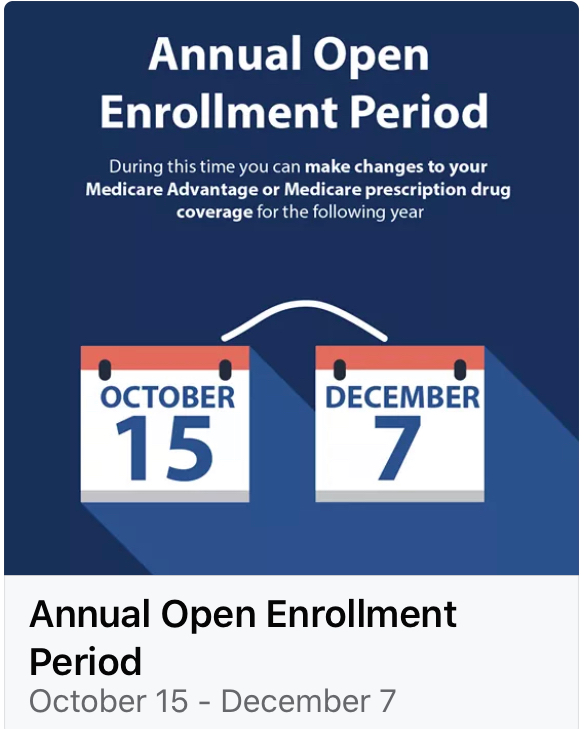
Medicare’s Annual Enrollment Period runs from October 15 through December 7. Whether you’re enrolling in Medicare for the first time or reviewing your existing coverage, now is the time to make sure you’re on the right plan.
If you’re new to Medicare, our Turning 65 Complete Medicare Guide is a great place to start. And if you’re worried about enrollment timing, our Medicare Late Enrollment Penalties page explains exactly what’s at stake if you miss your window.
As an independent Medicare broker with 25+ years of experience, I help clients understand all of their options – including the disadvantages – so they can make the choice that’s genuinely right for them. There’s no cost to work with me and no pressure to choose any particular plan.
Schedule your free AEP consultation today – or call me directly at 917-740-1895.
We are not connected with or endorsed by the United States Government or the federal Medicare program. We do not offer every plan available in your area. Any information we provide is limited to those plans we do offer in your area. Please contact Medicare.gov or 1-800-MEDICARE to get information on all of your options.

Craig Smith
Independent Medicare Insurance Broker | AHIP Certified
Craig Smith is the founder of Craig Smith Insurance Group, an independent Medicare brokerage serving seniors across New York, New Jersey, and nationwide since 2013. With over 25 years of financial services experience and 317+ five-star Google reviews, Craig helps clients compare Medicare Advantage, Medicare Supplement, and Part D plans — always free of charge.
Learn more about Craig →