What is Medicare Part A? A Complete 2026 Guide
If you are approaching age 65 or helping a loved one navigate Medicare for the first time, one of the most common questions is: What is Medicare Part A? Medicare Part A is the hospital insurance component of Medicare, and for most Americans, it comes with no monthly premium. This guide explains everything you need to know about Medicare Part A in 2026, including what it covers, what it costs, and how to make sure you don’t have any unexpected gaps in your coverage.
Medicare Part A — The Basics
Medicare Part A is one of the two parts of Original Medicare — the other being Medicare Part B. Together, Parts A and B form the foundation of Medicare coverage for Americans aged 65 and older, as well as certain younger people with disabilities.
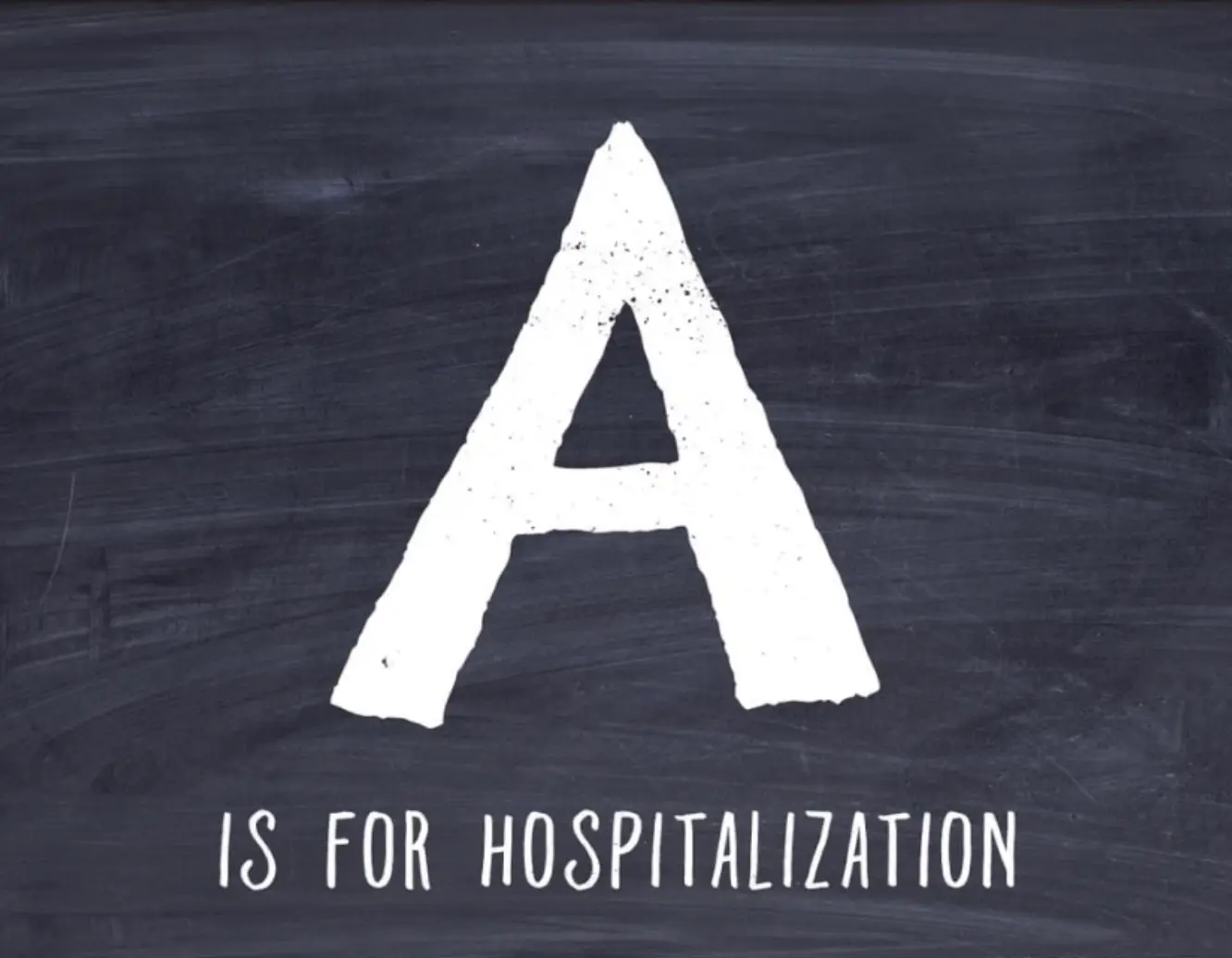
Part A is often called “hospital insurance” because its primary function is to cover inpatient care, but it covers more than just hospital stays. Here is a quick overview of what Part A covers:
- Inpatient hospital care — hospital stays, critical access hospitals, mental health inpatient care
- Skilled nursing facility care — up to 100 days following a qualifying hospital stay
- Hospice care — for terminally ill patients with a life expectancy of six months or less
- Limited home health care — medically necessary skilled nursing and therapy services
Is Medicare Part A Free?
This is one of the most frequently asked questions about Medicare, and the good news is that for most people, the answer is yes. You pay $0 per month for Part A if you or your spouse worked and paid Medicare payroll taxes for at least 10 years (40 quarters).
If you have fewer than 40 quarters of Medicare-covered employment, you may have to pay a premium:
- 30–39 quarters: $285 per month in 2026
- Fewer than 30 quarters: $518 per month in 2026
Even if Part A is premium-free, there are still significant out-of-pocket costs when you actually use it, which is where many people get surprised.
Medicare Part A Costs in 2026
The most important cost to understand is the Part A deductible, which is $1,736 per benefit period in 2026. Unlike most insurance deductibles, this is not an annual deductible — it resets every benefit period. A benefit period begins when you are admitted to a hospital and ends after you have been out of the hospital and haven’t received skilled care for 60 consecutive days. This means you could potentially owe the $1,736 deductible more than once in a single year.
Here is a full breakdown of 2026 Part A costs:
| Service | Your Cost in 2026 |
|---|---|
| Part A Premium (most people) | $0/month |
| Inpatient Deductible | $1,736 per benefit period |
| Hospital Days 1–60 | $0 after deductible |
| Hospital Days 61–90 | $434/day |
| Hospital Days 91–150 | $868/day (lifetime reserve) |
| SNF Days 1–20 | $0 |
| SNF Days 21–100 | $217.50/day |
| Hospice Care | $0 for most services |
Who Is Eligible for Medicare Part A?
You are eligible for Medicare Part A if you meet one of the following criteria:
- You are age 65 or older and a U.S. citizen or legal resident for at least 5 years
- You are under 65 and have received Social Security disability benefits for at least 24 months
- You have End-Stage Renal Disease (ESRD) requiring dialysis or a kidney transplant
- You have Amyotrophic Lateral Sclerosis (ALS) — also known as Lou Gehrig’s disease
How to Enroll in Medicare Part A
If you are already receiving Social Security benefits when you turn 65, you will be automatically enrolled in Part A, with no action required. Your Medicare card will arrive approximately three months before your 65th birthday.
If you are not yet collecting Social Security, you need to actively enroll during your Initial Enrollment Period (IEP), a 7-month window that starts three months before your 65th birthday month. Use our Medicare IEP Calculator to find your exact enrollment dates.
What Medicare Part A Does NOT Cover
Understanding what Part A does not cover is just as important as knowing what it does. Part A does not cover:
- Outpatient doctor visits — covered by Part B
- Prescription drugs — covered by Part D
- Dental, vision, and hearing care
- Long-term custodial nursing home care
- Care received outside the United States
How to Fill the Part A Coverage Gaps
The $1,736 per benefit period deductible and daily hospital coinsurance can add up quickly, especially for people with multiple hospitalizations in a year. There are two main ways to protect yourself from these costs:
Option 1 — Medicare Supplement (Medigap)
A Medicare Supplement plan works alongside Original Medicare to cover the gaps Part A leaves behind. Medigap Plan G is the most popular plan, which covers the entire Part A deductible, all hospital coinsurance through day 365, and skilled nursing facility coinsurance. This means virtually no hospital bills beyond your monthly premium.
Option 2 — Medicare Advantage
A Medicare Advantage plan replaces Original Medicare and typically has its own cost-sharing structure for hospital stays, often with lower per-day costs and an annual out-of-pocket maximum that caps your total exposure.
Medicare Part A — Key Takeaways
- ✅ Part A is premium-free for most people
- ✅ Covers hospital stays, skilled nursing, hospice, and home health
- ⚠️ $1,736 deductible applies per benefit period — not per year
- ⚠️ Daily coinsurance applies for extended hospital and SNF stays
- ✅ A Medigap plan can eliminate most Part A out-of-pocket costs
- ✅ Enroll during your 7-month Initial Enrollment Period to avoid penalties
Have Questions About Medicare Part A?
As an independent Medicare broker serving New York, New Jersey, and clients nationwide, I help seniors understand exactly how Medicare Part A works and how to fill the coverage gaps it leaves behind. Whether you are turning 65, losing employer coverage, or simply reviewing your current coverage, I provide free, unbiased guidance with no pressure and no obligation.
📞 Call (917) 740-1895 or schedule a free Medicare consultation today.
We are not connected with or endorsed by the United States Government or the federal Medicare program. For official Medicare information, visit Medicare.gov or call 1-800-MEDICARE.

Craig Smith
Independent Medicare Insurance Broker | AHIP Certified
Craig Smith is the founder of Craig Smith Insurance Group, an independent Medicare brokerage serving seniors across New York, New Jersey, and nationwide since 2013. With over 25 years of financial services experience and 317+ five-star Google reviews, Craig helps clients compare Medicare Advantage, Medicare Supplement, and Part D plans — always free of charge.
Learn more about Craig →