
Medicare Annual Notice of Change — What to Do When You Receive Yours
Every fall, Medicare beneficiaries enrolled in a Medicare Advantage or Part D prescription drug plan receive an important document called the Annual Notice of Change, commonly known as the ANOC. This document arrives in late September and contains critical information about how your plan is changing for the upcoming year. Many people file it away without reading it — and that can be a costly mistake. This guide explains exactly what the Annual Notice of Change is, what to look for, and what steps to take before the Annual Enrollment Period ends on December 7.
What Is the Medicare Annual Notice of Change?
The Annual Notice of Change is a document your Medicare Advantage or Part D plan is legally required to send you every fall. It outlines every change your plan is making for the upcoming plan year, including changes to premiums, deductibles, copays, drug coverage, provider networks, and extra benefits.
The ANOC must be mailed to you by September 30 each year. If you have not received yours by early October, contact your plan directly to request a copy.
Why the Annual Notice of Change Matters
Medicare plans can change significantly from one year to the next. A plan that was perfect for you in 2026 may not be the best option in 2027. Here is what can change between plan years:
- Your monthly premium may increase
- Your annual deductible may go up
- Your copays for doctor visits and hospital stays may change
- Your medications may move to a higher tier on the formulary
- Your doctors or specialists may leave the plan’s network
- Extra benefits like dental, vision, and OTC allowances may be reduced
- Your plan’s star rating may have changed
Reading your ANOC carefully every year is the only way to know if your plan is still the right fit for your needs and budget.
What to Look for in Your Annual Notice of Change
1. Premium Changes
Check your new monthly premium. Even a small increase adds up over 12 months. Compare your new premium against other available plans in your area before assuming your current plan is still the best value.
2. Drug Formulary Changes
This is one of the most important things to check. Your plan may have:
- Moved your medications to a higher cost tier
- Removed your medications from the formulary entirely
- Added new prior authorization requirements
- Changed quantity limits on your prescriptions
If any of your medications are affected, this could significantly increase your out-of-pocket drug costs in the coming year.
3. Provider Network Changes
Check whether your primary care doctor, specialists, and preferred hospitals are still in the plan’s network for the upcoming year. Provider networks change annually, and losing an in-network provider can mean paying significantly more for care.
4. Cost-Sharing Changes
Review changes to your copays and coinsurance for:
- Primary care visits
- Specialist visits
- Inpatient hospital stays
- Emergency room visits
- Outpatient procedures
5. Extra Benefit Changes
Check whether your plan’s extra benefits are changing, including dental allowances, vision benefits, hearing aid coverage, OTC allowances, fitness memberships, and transportation benefits. These benefits can change significantly from year to year.
6. Out-of-Pocket Maximum
Verify your plan’s annual out-of-pocket maximum. This is the most you will pay for covered in-network services in a year. A lower out-of-pocket maximum provides better financial protection.
What to Do After Reading Your ANOC
Step 1 — Assess the Changes
Go through the ANOC carefully and note any changes that affect you directly. Pay special attention to drug formulary changes and provider network changes as these have the biggest impact on your day-to-day healthcare.
Step 2 — Compare Other Available Plans
Even if the changes to your current plan seem minor, it is worth comparing all available plans in your area. New plans may be available for 2027 that offer better benefits or lower costs than your current plan.
Step 3 — Check Your Medications
Run a drug comparison for all your current medications against the plans you are considering. Use our Medicare Part D resources or work with an independent broker to find the plan that covers your specific medications at the lowest total cost.
Step 4 — Make Your Decision Before December 7
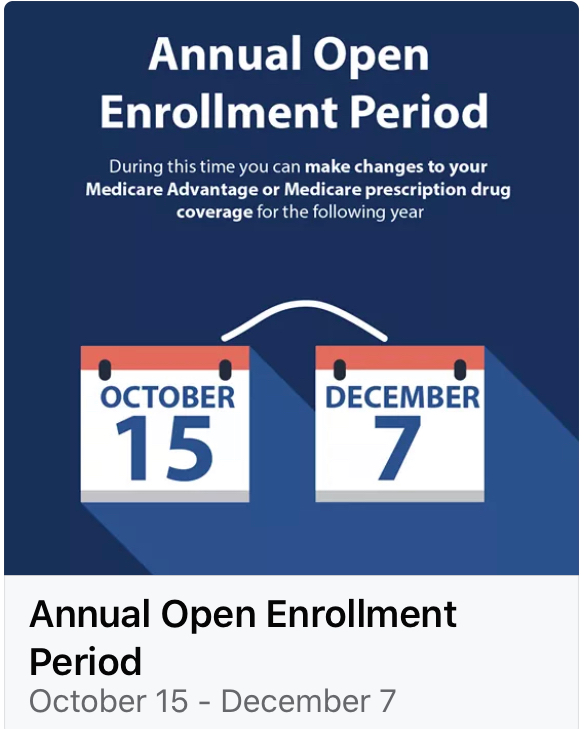
The Annual Enrollment Period runs October 15 through December 7. Any changes you make take effect January 1, 2027. Do not wait until the last minute, as plan availability can change, and processing takes time.
What If You Do Nothing During AEP?
If you do not make any changes during the Annual Enrollment Period, your current plan will automatically renew for the upcoming year with all the changes outlined in your ANOC. This means if your premium increases, your drug costs go up, or your doctor leaves the network, you are locked in for the full year unless you qualify for a Special Enrollment Period.
Key AEP Dates for 2027
| Date | Action |
|---|---|
| Late September 2026 | ANOC arrives in the mail — read it carefully |
| October 1, 2026 | 2027 plan details available for comparison |
| October 15, 2026 | AEP begins — you can start making changes |
| December 7, 2026 | AEP ends — last day to make changes |
| January 1, 2027 | New coverage takes effect |
Frequently Asked Questions About the Annual Notice of Change
What if I did not receive my Annual Notice of Change?
Contact your plan directly and request a copy. You can also view your plan documents online through your plan’s member portal. If you have moved recently, make sure your plan has your current mailing address on file.
Does the ANOC apply to Medicare Supplement plans?
No. The Annual Notice of Change applies to Medicare Advantage and Part D plans only. Medicare Supplement plans do not use the AEP system and can be changed at any time, though medical underwriting may apply in most states outside your initial enrollment period.
What if my doctor is no longer in network for 2027?
If your doctor leaves your plan’s network, you have a few options. You can switch to a plan that includes your doctor during AEP, ask your doctor if they plan to join another Medicare Advantage network, or consider switching to Original Medicare with a Medigap plan, which has no network restrictions.
Can I switch plans if I missed the AEP deadline?
After December 7, your options are limited. The Medicare Advantage Open Enrollment Period (January 1 to March 31) allows you to switch Medicare Advantage plans or return to Original Medicare. Outside of these windows, you generally need a qualifying Special Enrollment Period to make changes.
How do I know if a new plan is better than my current one?
The best way is to work with an independent Medicare broker who can compare all available plans side by side, including premiums, drug costs, provider networks, and extra benefits. This comprehensive comparison ensures you are not missing a better option.
Need Help Reviewing Your Annual Notice of Change?
Reading and understanding your ANOC can be confusing, especially when evaluating drug formulary changes and provider network updates. As an independent Medicare broker, I review your ANOC with you, compare all available plans in your area, and help you make a confident decision before the December 7 deadline. My services are completely free of charge.
The Annual Enrollment Period opens October 15. Do not wait. Call today to schedule your free Medicare plan review.
Call (917) 740-1895 or schedule a free Medicare consultation today.
We are not connected with or endorsed by the United States Government or the federal Medicare program. We do not offer every plan available in your area. Please contact Medicare.gov or call 1-800-MEDICARE for information on all your options.

Craig Smith
Independent Medicare Insurance Broker | AHIP Certified
Craig Smith is the founder of Craig Smith Insurance Group, an independent Medicare brokerage serving seniors across New York, New Jersey, and nationwide since 2013. With over 25 years of financial services experience and 317+ five-star Google reviews, Craig helps clients compare Medicare Advantage, Medicare Supplement, and Part D plans — always free of charge.
Learn more about Craig →