
Medicare Advantage Plans: Pros and Cons
If you’re trying to decide whether Medicare Advantage is right for you, you’ve probably noticed that opinions vary wildly depending on who you ask. Carriers promote the benefits. Critics highlight the drawbacks. And most of what you read online has an agenda behind it.
As an independent Medicare broker, I don’t sell for any single carrier. My job is to help you understand your options clearly – including the real pros and cons of Medicare Advantage – so you can make the decision that’s right for your health and your budget.
Here’s an honest look at both sides.
What Is Medicare Advantage?
Medicare Advantage – also known as Medicare Part C – is an alternative way to receive your Medicare benefits through a private insurance company approved by Medicare. Instead of using Original Medicare directly, you get your Part A, Part B, and usually Part D coverage bundled into a single plan.
Medicare Advantage plans must cover everything Original Medicare covers, and many offer additional benefits like dental, vision, hearing, and fitness memberships. They’re extremely popular – more than half of all Medicare beneficiaries are now enrolled in a Medicare Advantage plan.
But popular doesn’t always mean right for everyone. Let’s look at the pros and cons.
The Pros of Medicare Advantage Plans
1. Low or $0 Monthly Premiums
One of the biggest draws of Medicare Advantage is cost. Many plans have a $0 monthly premium – meaning you pay nothing beyond your standard Medicare Part B premium of $202.90 per month. For people on a fixed income, that’s a significant advantage over Medicare Supplement plans, which typically run $100 to $372 or more per month.
2. All-in-One Coverage
Medicare Advantage plans bundle your hospital coverage (Part A), medical coverage (Part B), and usually prescription drug coverage (Part D) into a single plan with one ID card and one insurance company to deal with. That simplicity is genuinely valuable, especially for people who don’t want to manage multiple policies.
3. Annual Out-of-Pocket Maximum
Original Medicare has no out-of-pocket maximum – meaning your costs could theoretically be unlimited in a catastrophic year. Medicare Advantage plans cap your annual out-of-pocket spending. In 2026, that cap is $9,350 for in-network services. After you hit that limit, the plan pays 100% of covered costs for the rest of the year.
4. Extra Benefits
Many Medicare Advantage plans include benefits that Original Medicare doesn’t cover at all – dental care, vision exams and eyewear, hearing aids, fitness memberships, over-the-counter allowances, and even transportation to medical appointments. For people who use these benefits, they represent real value.
5. Prescription Drug Coverage Included
Most Medicare Advantage plans include Part D prescription drug coverage as part of the plan. With Original Medicare, you’d need to purchase a standalone Part D plan separately. Having drug coverage bundled in simplifies things considerably.
The Cons of Medicare Advantage Plans
1. Network Restrictions
This is the most significant drawback for many people. Most Medicare Advantage plans – particularly HMO plans – require you to use a network of doctors, hospitals, and specialists. If your preferred doctor isn’t in the plan’s network, you’ll either pay significantly more or need to find a new provider.
Networks also change from year to year. A doctor who’s in-network today may not be next January. I’ve seen clients blindsided by this when their longtime physician drops off a plan’s network mid-year or during AEP.
2. Prior Authorization Requirements
Medicare Advantage plans can require prior authorization before approving certain procedures, specialist visits, or treatments. This means the insurance company must approve the service before you receive it. Delays and denials are more common than most people realize – and navigating them can be frustrating and time-consuming.
3. Copays Add Up
While the monthly premium may be low or zero, you’ll pay copays and coinsurance every time you use the plan – doctor visits, specialist appointments, lab work, hospital stays, and more. For people with significant health needs, those copays can add up quickly throughout the year.
4. Plans Change Annually
Medicare Advantage plans can change their premiums, networks, formularies, and benefits every year. What’s a great plan in October may look very different by January. This is why reviewing your coverage every Annual Enrollment Period is so important – and why having a broker who monitors these changes on your behalf is genuinely valuable.
5. Switching Back to Original Medicare Can Be Complicated
If you enroll in Medicare Advantage and later want to switch back to Original Medicare with a Medigap supplement, you may face medical underwriting in most states. That means the Medigap insurer can review your health history and potentially deny coverage or charge higher premiums based on pre-existing conditions. This is one of the most important things to understand before enrolling in Medicare Advantage for the first time.
Medicare Advantage vs. Medicare Supplement – A Quick Comparison
Understanding the pros and cons of Medicare Advantage is easier when you compare it directly to the alternative. Here’s a simple side-by-side:
| Factor | Medicare Advantage | Medicare Supplement (Medigap) |
|---|---|---|
| Monthly premium | Often $0 (plus Part B) | $100–$372+ per month |
| Network restrictions | Yes – most plans | No – any Medicare provider nationwide |
| Out-of-pocket maximum | Yes – up to $9,350 in 2026 | Very low to none (Plan G/N) |
| Extra benefits | Often included | Not included |
| Prior authorization | Common | Not required |
| Drug coverage | Usually included | A separate Part D plan is needed |
| Plan stability | Changes annually | Very stable |
For a deeper look at how these two options compare, see our full guide: Medicare Advantage vs. Medicare Supplement – Which Is Right for You?
Who Is Medicare Advantage Best For?
Not sure which Medicare Advantage plan is the best fit? See our guide on how to choose the best Medicare Advantage plan for you.
Medicare Advantage tends to work well for people who:
- Are generally healthy and don’t use a lot of medical services
- Want to keep their monthly costs low
- Are comfortable staying within a network of providers
- Value extra benefits like dental, vision, and hearing coverage
- Have doctors and hospitals that they’ve confirmed are in-network
Who Should Think Carefully Before Choosing Medicare Advantage?
Medicare Advantage may not be the best fit for people who:
- Have complex or chronic health conditions that require frequent specialist care
- Travel frequently or split time between states
- Have strong relationships with specific doctors or hospitals, they don’t want to leave
- Want maximum predictability in their healthcare costs
- Are concerned about prior authorization delays for treatments
The Bottom Line
Medicare Advantage plans offer genuine value for the right person. The low premiums, out-of-pocket cap, and extra benefits are real advantages. But the network restrictions, prior authorization requirements, and annual plan changes are equally real – and they matter more for some people than others.
The right choice depends entirely on your health, your doctors, your budget, and your priorities. There’s no universal answer – only the right answer for you.
Review Your Medicare Advantage Options This AEP
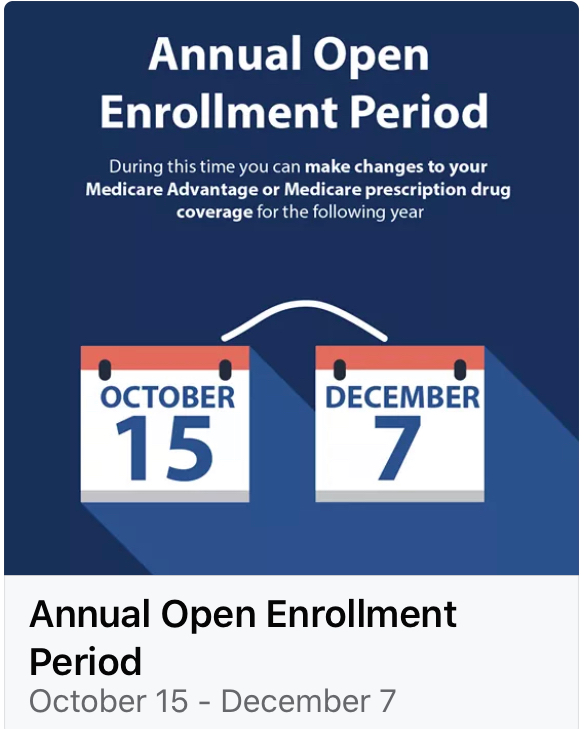
Medicare’s Annual Enrollment Period runs from October 15 through December 7. This is your opportunity each year to review your current coverage, compare plans, and make changes that take effect January 1. For a full breakdown of every enrollment window available to you, see our Medicare Enrollment Periods Explained guide. And if you’re turning 65, our Turning 65 Complete Medicare Guide walks you through everything you need to know.
If you’re currently on Medicare Advantage and haven’t reviewed your plan recently, now is the time. Plans change every year – networks shift, premiums adjust, and drug formularies get updated. The plan that was right for you last year may not be your best option this year.
As an independent Medicare broker, I compare plans across all major carriers at no cost to you. I’m not tied to any single company, which means my only job is finding the plan that genuinely fits your needs.
Schedule your free AEP consultation today – or call me directly at 917-740-1895. Spots fill up quickly as we get closer to October 15.
We are not connected with or endorsed by the United States Government or the federal Medicare program. We do not offer every plan available in your area. Any information we provide is limited to those plans we do offer in your area. Please contact Medicare.gov or 1-800-MEDICARE to get information on all of your options.

Craig Smith
Independent Medicare Insurance Broker | AHIP Certified
Craig Smith is the founder of Craig Smith Insurance Group, an independent Medicare brokerage serving seniors across New York, New Jersey, and nationwide since 2013. With over 25 years of financial services experience and 317+ five-star Google reviews, Craig helps clients compare Medicare Advantage, Medicare Supplement, and Part D plans — always free of charge.
Learn more about Craig →