
As an independent Medicare insurance broker serving clients across New York, New Jersey, and nationwide, one of the most common questions I hear from people approaching 65 is: “How do Medicare and Social Security work together?” It’s a great question. The answer has real financial implications for your retirement planning. Here’s everything you need to know.
How Medicare and Social Security Are Connected
Medicare and Social Security are two separate federal programs. However, they are closely linked in several important ways. Both programs are administered through the federal government. The Social Security Administration (SSA) plays a key role in your Medicare enrollment. This is true even if you are not yet receiving Social Security benefits when you turn 65.
The most direct connection between the two programs is how Medicare premiums are paid. If you are already receiving Social Security benefits when you become eligible for Medicare, your Medicare Part B premium is automatically deducted from your monthly Social Security check. This is one of the most important things to understand before you turn 65.
When Should You Sign Up for Medicare?
Understanding when to enroll in Medicare is critical. The rules are different depending on whether you are already receiving Social Security benefits or not.
If You Are Already Receiving Social Security Benefits
If you are already collecting Social Security retirement or disability benefits when you turn 65, you will be automatically enrolled in Medicare Part A and Medicare Part B. You do not need to do anything. Medicare will send you your red, white, and blue Medicare card approximately three months before your 65th birthday.
However, just because you are automatically enrolled does not mean you should passively accept the default coverage. You still need to decide whether to keep Original Medicare. Or, you may add a Medicare Supplement plan, enroll in a Medicare Advantage plan, and add Medicare Part D prescription drug coverage.
If You Are Not Yet Receiving Social Security Benefits
If you have not yet claimed Social Security benefits when you turn 65 — for example, if you are still working or have chosen to delay Social Security to maximize your benefit, you will need to enroll in Medicare yourself actively. You can do this through the Social Security Administration’s website, by calling the SSA directly, or by visiting your local Social Security office.
Your Initial Enrollment Period (IEP) is a 7-month window that begins 3 months before your 65th birthday month. It also includes your birthday month. Furthermore, it extends 3 months after. Missing this window without a valid reason can result in permanent late enrollment penalties. These penalties increase your premiums for life.
How Medicare Premiums Are Deducted from Social Security
Once you are enrolled in both Medicare and Social Security, your Medicare premiums are handled automatically:
- Medicare Part B premium — deducted directly from your monthly Social Security payment. The standard Part B premium in 2026 is $202.90 per month
- Medicare Part D premium — can also be deducted from your Social Security check if you choose this option when enrolling in a Part D plan
- Medicare Advantage premium — if your Medicare Advantage plan has a monthly premium, it can also be deducted from your Social Security benefit
- Medicare Part A — premium-free for most people who worked at least 40 quarters in the U.S.
This automatic deduction is convenient. However, it also means your net Social Security payment will be lower than your gross benefit amount. It is important to factor your Medicare premiums into your retirement budget planning well before you turn 65.
Can You Delay Medicare If You Delay Social Security?
Many people choose to delay Social Security past age 65 to increase their monthly benefit. Social Security benefits grow approximately 8% per year for each year you delay past full retirement age up to age 70. But does delaying Social Security mean you should also delay Medicare?
The answer is: not necessarily. Medicare and Social Security are separate enrollment decisions. Here are the key points:
- You can enroll in Medicare at 65 without claiming Social Security
- Delaying Social Security does not give you any additional Medicare benefits
- If you delay Medicare Part B past 65 without qualifying employer coverage, you will face a permanent late enrollment penalty
- If you are still working and covered by employer-sponsored health insurance at 65, you may be able to delay Part B without penalty — but the rules depend on your employer’s plan size
Getting this decision right is critically important — and it’s one of the most common areas where I help clients avoid costly mistakes.
How Social Security Income Affects Your Medicare Premiums
Your Social Security income — combined with your other income sources — determines whether you pay the standard Medicare premium or a higher amount through the IRMAA surcharge.
IRMAA (Income-Related Monthly Adjustment Amount) is a surcharge added to your Medicare Part B and Part D premiums if your Modified Adjusted Gross Income (MAGI) exceeds certain thresholds. In 2026, the surcharge begins for individuals earning over $106,000. For couples, it begins for those earning over $212,000.
While Social Security benefits themselves are not included in your MAGI for IRMAA purposes, up to 85% of your Social Security benefits can be subject to federal income tax. This affects your overall financial picture and retirement planning strategy.
What Happens to Medicare If You Keep Working Past 65?
If you continue working past 65 and are covered by employer-sponsored health insurance, you have options:
- Employer has 20+ employees: Your employer coverage is primary, and Medicare is secondary. You can delay Part B enrollment without penalty until you retire or lose employer coverage
- Employer has fewer than 20 employees: Medicare becomes primary — you should enroll in Part B at 65 to avoid gaps in coverage
- COBRA coverage: COBRA is NOT considered qualifying employer coverage for Medicare delay purposes — you must still enroll in Medicare at 65
When you eventually retire and lose employer coverage, you will have a Special Enrollment Period (SEP) of 8 months to enroll in Medicare without penalty.
Key Dates and Deadlines to Remember
- 3 months before your 65th birthday: Your Initial Enrollment Period begins — the earliest you can enroll in Medicare
- Your 65th birthday month: Middle of your Initial Enrollment Period
- 3 months after your 65th birthday: Last month of your Initial Enrollment Period
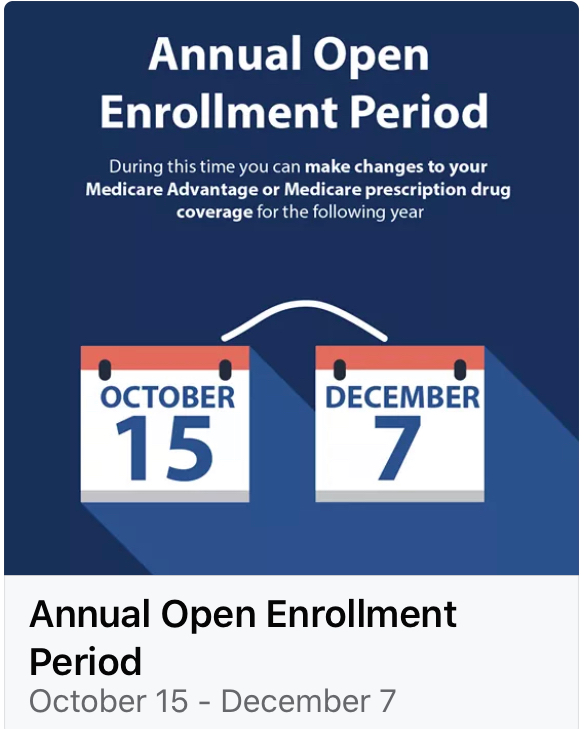
- October 15 – December 7: Annual Enrollment Period — change Medicare Advantage or Part D plans each year
- January 1 – March 31: Medicare Advantage Open Enrollment Period
Frequently Asked Questions — Medicare and Social Security
Do I have to take Medicare when I start Social Security?
If you claim Social Security at or after age 65, you will be automatically enrolled in Medicare Part A and Part B. You can decline Part B if you have qualifying employer coverage, but Part A is generally free, so most people keep it.
Can I get Medicare without Social Security?
Yes — Medicare and Social Security are separate programs. You can enroll in Medicare at 65 without claiming Social Security benefits. Many people do this when they choose to delay Social Security to maximize their monthly benefit.
What happens to my Medicare if my Social Security check stops?
If your Social Security payments stop for any reason, you will receive a bill directly from Medicare for your Part B premium. You must continue paying your premiums to maintain your Medicare coverage.
How do I enroll in Medicare if I am not receiving Social Security?
You can enroll online at ssa.gov, by calling the Social Security Administration at 1-800-772-1213, or by visiting your local Social Security office. I can also help guide you through the process — free of charge.
Get Help Navigating Medicare and Social Security
The intersection of Medicare and Social Security involves important timing decisions that can have lasting financial consequences. Whether you are turning 65 soon, planning your retirement, or simply want to make sure you are making the right enrollment decisions, I am here to help.
As an independent Medicare broker serving clients across New York, New Jersey, and nationwide, I provide free, unbiased guidance to help you navigate Medicare enrollment with confidence — no pressure, no obligation.
📞 Contact Craig Smith Insurance Group today at (917) 740-1895 for your free Medicare consultation. Let’s make sure you get this right the first time.

Craig Smith
Independent Medicare Insurance Broker | AHIP Certified
Craig Smith is the founder of Craig Smith Insurance Group, an independent Medicare brokerage serving seniors across New York, New Jersey, and nationwide since 2013. With over 25 years of financial services experience and 317+ five-star Google reviews, Craig helps clients compare Medicare Advantage, Medicare Supplement, and Part D plans — always free of charge.
Learn more about Craig →